 By Alden Tony
The modern nutritional landscape is crowded with extreme diet trends, restrictive meal protocols, and conflicting health advice. From cutting entire macronutrient groups to adhering to rigid eating windows, conventional dieting often fosters an unsustainable all-or-nothing mindset. When a dietary pattern feels punitive, it inevitably leads to mental fatigue, rebound overeating, and frustration.
True nutritional health is not built on temporary deprivation, but on cultivating sustainable, everyday habits that nourish the body, support steady energy levels, and enhance long-term wellbeing. A balanced diet should integrate seamlessly into your routine, accommodate personal preferences, and provide consistent physiological nourishment. By focusing on foundational principles such as whole-food density, balanced plate architecture, adequate hydration, and mindful eating practices, you can establish an intuitive and enduring approach to daily nourishment.
Prioritizing Nutrient-Dense Whole Foods
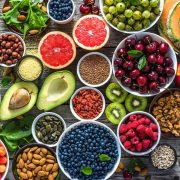
The foundation of a balanced dietary pattern begins with the quality of the ingredients you consume. Whole foods are foods that remain as close to their natural state as possible, free from industrial refining, synthetic additives, and heavy processing. These foods deliver a natural matrix of vitamins, minerals, antioxidants, dietary fiber, and phytonutrients that work synergistically to support human metabolism.
In contrast, ultra-processed foods are engineered for hyper-palatability, combining high amounts of refined sugars, unhealthy fats, and sodium with minimal nutritional value. These items bypass natural fullness cues, prompting passive overconsumption while leaving the body deficient in essential micronutrients.
Transitioning toward a whole-food diet does not require an immediate pantry overhaul. Simple, consistent adjustments yield meaningful cumulative benefits:
-
Upgrade Your Grains: Replace refined white flour and white bread with whole grains such as steel-cut oats, quinoa, brown rice, barley, and farro to boost fiber and B-vitamin intake.
-
Diversify Produce Colors: Aim to include several colors of fruits and vegetables across your meals each day, as distinct pigmentation indicates different protective antioxidant compounds.
-
Choose Whole Snacks: Swap packaged chips and pastries for raw or roasted nuts, pumpkin seeds, fresh berries paired with Greek yogurt, or sliced vegetables with hummus.
-
Limit Added Sugars: Check ingredient labels on everyday staples like salad dressings, marinara sauces, and breakfast cereals, opting for options with zero or minimal added sweeteners.
Mastering the Architecture of a Balanced Plate
Balancing macronutrients—protein, complex carbohydrates, and dietary fats—at every meal provides the body with sustained fuel, stabilizes blood sugar levels, and keeps appetite regulated for hours. When a meal is heavily skewed toward simple carbohydrates without adequate protein or fat, blood glucose rises rapidly, triggering an insulin spike followed by a sharp crash that causes mid-afternoon lethargy and intense cravings.
A practical method for constructing meals without weighing food or counting calories is the visual plate method:
-
Fill Half the Plate with Non-Starchy Vegetables: Load half your plate with leafy greens, broccoli, cauliflower, asparagus, bell peppers, or zucchini. These provide bulk, hydration, micronutrients, and fiber with low caloric density.
-
Dedicate One Quarter to Quality Protein: Allocate a quarter of your plate to lean animal or plant proteins, such as chicken breast, wild salmon, eggs, tofu, tempeh, lentils, or beans. Protein preserves lean muscle mass, supports immune function, and has the highest thermic effect of all macronutrients.
-
Fill One Quarter with Complex Carbohydrates: Use the remaining quarter for slow-digesting carbohydrates, including sweet potatoes, squash, legumes, or whole grains. These provide steady glycogen replenishment for the brain and muscles.
-
Incorporate a Portion of Healthy Fats: Add a small serving of nutrient-rich fats, such as a tablespoon of extra virgin olive oil, a quarter of an avocado, or a sprinkle of chia seeds, to facilitate the absorption of fat-soluble vitamins like A, D, E, and K.
Hydration as a Core Pillar of Nutrition
Water is an essential nutrient that is frequently overlooked in dietary planning. Every chemical reaction in the human body, from cellular energy production to nutrient absorption and waste filtration, requires adequate fluid volume. Mild dehydration of just one to two percent can impair cognitive performance, reduce physical stamina, provoke headaches, and disguise itself as physiological hunger.
Many individuals reach for calorie-dense snacks when their bodies are simply signaling a need for fluids. Establishing regular hydration habits helps maintain natural metabolic efficiency and ensures smooth digestive motility.
-
Start the Day with Water: Drink a large glass of room-temperature or cold water immediately upon waking to replenish fluids lost through respiration and perspiration overnight.
-
Carry a Reusable Bottle: Keeping a designated water bottle at your desk or in your bag serves as a constant visual reminder to drink throughout the day.
-
Monitor Urine Color: Aim for a pale straw color throughout the daytime hours, which indicates adequate hydration, rather than dark amber or completely clear urine.
-
Minimize Liquid Calories: Reduce consumption of sodas, sweetened specialty coffees, energy drinks, and commercial fruit juices, which deliver large amounts of rapidly absorbed sugar without providing satiety.
Practicing Mindful Eating and Tuning into Satiety Cues
How you consume your food is just as critical as what you place on your plate. Modern living encourages distracted, hurried eating, whether scarfing down lunch at an office desk while answering emails or grazing in front of a television screen. When attention is divided, the brain fails to register the sensory experience of food, delaying satiety signals and promoting overeating.
Mindful eating involves bringing conscious awareness to the physical sensations of hunger, taste, mastication, and fullness.
-
Eat Without Digital Screens: Set aside fifteen to twenty minutes for meals away from smartphones, computers, and televisions to focus entirely on the dining experience.
-
Chew Food Thoroughly: Breaking down food mechanically in the mouth eases gastrointestinal distress and allows digestive enzymes in saliva to initiate carbohydrate breakdown properly.
-
Pace Your Meals: It takes roughly fifteen to twenty minutes for gut hormones like peptide YY and cholecystokinin to signal fullness to the brain. Eating slowly gives these biochemical pathways sufficient time to register satisfaction.
-
Differentiate Physical from Emotional Hunger: Before reaching for a snack, pause to check if you are experiencing genuine physical hunger characterized by a hollow stomach, or emotional eating driven by boredom, stress, or fatigue.
Sustainable Meal Planning and Kitchen Strategies
Long-term success with balanced eating relies heavily on preparation. When hunger strikes and there are no healthy options readily accessible, convenience foods and fast-food takeout become the path of least resistance. Implementing basic meal planning strategies eliminates daily decision fatigue and ensures that nutritious meals are always within reach.
-
Embrace Batch Cooking: Prepare large batches of versatile staples on designated days, such as roasting a tray of mixed root vegetables, boiling a pot of quinoa, or grilling multiple portions of protein to assemble meals quickly during busy weekdays.
-
Stock a Resilient Pantry: Keep shelf-stable essentials on hand, such as low-sodium canned beans, canned wild tuna or salmon, whole-grain oats, raw nuts, and frozen vegetables, allowing you to prepare a nutritious dinner in under fifteen minutes.
-
Shop the Perimeter: Spend the majority of your grocery shopping time along the outer perimeter of the supermarket, where fresh produce, fresh meats, and refrigerated whole foods are typically stocked, rather than lingering in center aisles filled with processed snack foods.
-
Adopt the Eighty-Twenty Principle: Aim for nutrient-dense, whole-food options roughly eighty percent of the time, leaving twenty percent of your dietary intake for flexible, pleasurable social meals without guilt.
Frequently Asked Questions
How does meal timing influence circadian rhythms and digestive efficiency?
The human digestive tract, liver, and pancreas operate on circadian clocks synchronized with daylight. Insulin sensitivity and digestive enzyme secretion peak during the daytime and decline significantly late in the evening. Consuming large, heavy meals close to bedtime forces the digestive system to work during periods meant for cellular repair, which can elevate nighttime blood sugar levels, impair sleep architecture, and increase the incidence of gastroesophageal reflux.
What is the impact of dietary sodium on water retention and blood pressure in healthy adults?
Sodium is an essential electrolyte required for nerve transmission, fluid balance, and muscle function. In healthy individuals, the kidneys regulate sodium excretion to maintain homeostasis. However, excessive sodium intake, particularly when combined with low potassium intake from vegetables and fruits, causes the body to retain extra water to dilute the sodium concentration in the bloodstream. This increased fluid volume raises arterial pressure, which over time can place unnecessary strain on cardiovascular walls and renal tissue.
How do artificial non-nutritive sweeteners affect gut microbiota diversity?
While artificial sweeteners provide sweetness without caloric energy, clinical studies suggest that certain non-nutritive sweeteners, such as sucralose and saccharin, can alter the compositional balance of the gut microbiome. These alterations may influence how resident bacteria ferment dietary fibers, potentially impacting metabolic signaling, glucose tolerance, and gut barrier integrity in sensitive individuals.
What is the practical difference between soluble and insoluble dietary fiber?
Soluble fiber dissolves in water to form a gel-like substance in the digestive tract, which slows gastric emptying, blunts post-meal glucose spikes, and binds to dietary cholesterol for excretion. Common sources include oats, beans, apples, and psyllium. Insoluble fiber does not dissolve in water; instead, it adds physical bulk to stool and accelerates the transit of waste through the intestinal tract, supporting regular bowel movements. Good sources include wheat bran, nuts, seeds, and vegetable skins.
How does chronic inadequate sleep sabotage appetite-regulating hormones?
Sleep deprivation disrupts the delicate hormonal equilibrium between ghrelin and leptin. Insufficient sleep causes the stomach to secrete higher amounts of ghrelin, the hormone that stimulates appetite, while simultaneously suppressing leptin, the hormone produced by fat tissue that signals satiety to the hypothalamus. Furthermore, sleep loss increases circulating endocannabinoids, which directly drives cravings for high-fat, high-sugar, calorie-dense foods.
What strategies help preserve micronutrient content during home vegetable cooking?
Water-soluble vitamins, particularly vitamin C and the B-complex vitamins, are sensitive to high heat, extended cooking times, and large volumes of water. Boiling vegetables for long periods leaches these delicate nutrients directly into the cooking water. To preserve maximal nutritional value, use cooking methods that require minimal water and brief heat exposure, such as light steaming, quick stir-frying, or gentle microwaving.
How can someone determine if an elimination protocol is truly medically necessary?
Elimination protocols, which involve removing suspected food groups to identify intolerances, should only be undertaken under the supervision of a licensed physician or registered dietitian. A structured elimination is warranted when a patient experiences chronic, unexplained symptoms such as persistent digestive distress, eczema flare-ups, joint pain, or chronic fatigue. Professional oversight ensures that food trials are conducted systematically, avoiding nutrient deficiencies and preventing disordered eating patterns.
What is your reaction?
Excited
0
Happy
0
In Love
0
Not Sure
0
Silly
0