 By Alden Tony
Achieving optimal nutrition often feels complicated by expensive superfoods, exotic ingredients, and restrictive diet fads. Marketing campaigns regularly suggest that genuine health requires specialty powders, imported berries, or costly meal replacement plans. In reality, sound human nutrition relies on biological balance, consistent macronutrient distribution, and micronutrient variety, all of which are easily accessible through standard grocery store staples.
Building a balanced, health-promoting plate does not require a culinary degree or an extensive grocery budget. By understanding how foundational food groups function within the body and using a straightforward visual plate method, you can transform common, budget-friendly pantry and refrigerator items into meals that fuel your metabolism, stabilize your blood sugar, and support lifelong health.
The Science of the Visual Plate Framework
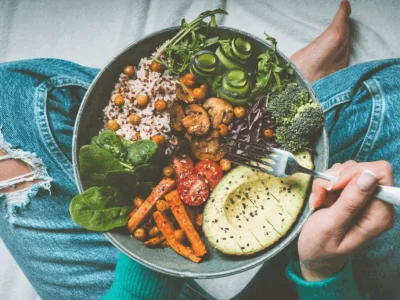
The visual plate model is an intuitive, scientifically sound alternative to tracking every gram or calorie. It divides a standard dinner plate into functional zones, guaranteeing that your body receives a balanced mix of fiber, lean protein, complex carbohydrates, and essential fatty acids at every meal.
When you balance these components, you trigger natural satiety cues. Dietary fiber slows the rate of stomach emptying, proteins stimulate the release of peptide YY and cholecystokinin to signal fullness to the brain, and healthy fats slow carbohydrate absorption, preventing severe blood glucose spikes and subsequent energy crashes.
The standard breakdown for an effective plate includes:
-
One-half of the plate: Non-starchy vegetables and leafy greens.
-
One-quarter of the plate: High-quality lean protein sources.
-
One-quarter of the plate: Nutrient-dense complex carbohydrates or whole grains.
-
One to two tablespoons: Healthy unsaturated fats or functional seeds.
Dedicating Half Your Plate to Non-Starchy Vegetables
Filling fifty percent of your plate with vegetables provides high physical volume and rich micronutrient density with relatively low caloric density. Vegetables supply essential vitamins, minerals, water, and insoluble and soluble dietary fiber that nourish the trillions of microbes residing in the large intestine.
To get the most out of this section using affordable, common produce:
-
Incorporate Everyday Leafy Greens: Spinach, romaine lettuce, green cabbage, and standard kale are inexpensive, versatile, and packed with folate, vitamin K, and magnesium.
-
Add Crisp Cruciferous Vegetables: Standard head broccoli, cauliflower florets, and cabbage supply glucosinolates, sulfur-containing compounds that support natural cellular detoxification processes.
-
Vary the Colors: Utilize basic red and yellow bell peppers, whole carrots, and purple cabbage. Different plant pigments indicate distinct antioxidant profiles, such as carotenoids, anthocyanins, and lycopene, which help reduce systemic oxidative stress.
-
Rely on Plain Frozen Vegetables: Frozen green beans, broccoli, and mixed vegetable blends are flash-frozen at peak ripeness, locking in nutrients while reducing food waste and grocery costs.
Prioritizing Protein for Muscle and Metabolic Health
The next quarter of your plate belongs to protein. Proteins are broken down into essential amino acids, which serve as the physical building blocks for skeletal muscle tissue, immune antibodies, peptide hormones, and critical neurotransmitters. Including sufficient protein at every meal also has the highest thermic effect of any macronutrient, meaning the body burns more energy digesting protein than it does digesting fats or carbohydrates.
Everyday, budget-conscious protein options provide complete amino acid profiles without requiring specialized powders:
-
Eggs and Egg Whites: Whole eggs provide high-quality protein alongside choline, an essential nutrient vital for brain structure and liver function.
-
Canned Tuna and Salmon: These shelf-stable fish provide convenient, accessible sources of lean protein and anti-inflammatory omega-3 fatty acids.
-
Poultry and Lean Ground Meats: Chicken breast, turkey tenderloin, and 90 percent or higher lean ground beef supply bioavailable iron and zinc, which are crucial for cellular energy production.
-
Plant-Based Legumes and Tofu: Extra-firm tofu, canned black beans, chickpeas, and brown lentils deliver plant-based protein alongside prebiotic fiber, making them cost-effective staples for any household.
-
Cottage Cheese and Plain Greek Yogurt: These dairy staples deliver high concentrations of casein and whey protein along with calcium, supporting bone density and prolonged satiety.
Selecting Slow-Digesting Complex Carbohydrates
Carbohydrates are the primary fuel source for the central nervous system, red blood cells, and high-intensity physical exertion. However, consuming refined simple carbohydrates like white sandwich bread or processed pasta causes rapid spikes in blood glucose and subsequent insulin surges.
Dedicate the remaining quarter of your plate to slow-digesting, complex carbohydrates that release glucose steadily into the bloodstream:
-
Whole Tubers: Baked sweet potatoes, red potatoes, and russet potatoes with the skins left on provide potassium, vitamin C, and resistant starch.
-
Whole Grains: Rolled oats, brown rice, whole-wheat pasta, and coarse barley retain their bran and germ layers, delivering B vitamins, iron, and fiber that refined grains lack.
-
Canned Beans and Lentils: In addition to their protein content, legumes serve double duty as carbohydrate sources that have an exceptionally low glycemic index.
-
Squash Varieties: Butternut, acorn, and kabocha squashes offer sweet flavors and dense textures with high fiber content, making them satisfying carbohydrate choices.
Integrating Functional Fats and Seasonings
Healthy fats are essential for the structural integrity of cell membranes, hormone synthesis, and the proper assimilation of fat-soluble vitamins, specifically vitamins A, D, E, and K. While non-starchy vegetables, proteins, and complex carbohydrates form the visible structure of the plate, adding healthy fats completes the meal nutritional profile.
Simple ways to incorporate healthy fats without excessive calories include:
-
Extra Virgin Olive Oil: Use a light drizzle over roasted vegetables or salads to introduce monounsaturated oleic acid and polyphenols.
-
Whole Nuts and Seeds: A tablespoon of sunflower seeds, pumpkin seeds, ground flaxseed, or chopped walnuts adds pleasant texture, minerals, and healthy fats.
-
Avocado: Adding a couple of slices of fresh avocado introduces monounsaturated fats along with potassium and prebiotic fiber.
-
Pungent Herbs and Spices: Elevate flavor and antioxidant capacity without adding sodium by using everyday kitchen seasonings such as garlic powder, black pepper, turmeric, dried oregano, and crushed red pepper flakes.
Assembling Everyday Meals: Real-World Examples
Transforming these principles into everyday meals requires no exotic cooking techniques. Simple combinations of staples create delicious, nutritionally complete meals in minutes.
-
Quick Breakfast Hash: Sauté a generous handful of chopped spinach and sliced bell peppers with olive oil (half plate). Scramble two whole eggs with extra egg whites (quarter plate), and serve alongside a slice of toasted whole-wheat bread or a serving of roasted leftover diced potatoes (quarter plate).
-
Workday Lunch Bowl: Fill half a container with raw mixed greens, chopped cucumbers, and grated carrots. Add four ounces of canned tuna or drained chickpeas for protein, and round out the meal with a half-cup of cooked brown rice and a light dressing made from olive oil and lemon juice.
-
Simple Weeknight Dinner: Roast a large sheet pan of frozen broccoli and sliced zucchini. Pair with baked chicken breast or grilled firm tofu seasoned with standard pantry spices, and serve with a baked sweet potato topped with a sprinkle of pumpkin seeds.
Frequently Asked Questions
How does cooking method affect the nutrient density of common vegetables?
Water-soluble nutrients like vitamin C and certain B vitamins degrade under high heat and leach out when boiled in water. Gentle cooking methods, such as light steaming, quick stir-frying, or gentle microwaving with minimal water, preserve higher concentrations of these delicate micronutrients compared to prolonged boiling.
What is the best way to adjust the visual plate for individuals with higher athletic training demands?
Athletes engaging in intense daily endurance or strength training burn substantially more glycogen. To support recovery, the complex carbohydrate portion of the plate can be expanded to roughly one-third or one-half of the total plate, while reducing the proportion of non-starchy vegetables slightly around workout windows to ease immediate gastrointestinal transit during exertion.
Can canned vegetables be used regularly without compromising nutritional value?
Yes, canned vegetables retain most of their vitamins, minerals, and dietary fiber during the canning process. To maximize their health benefits, choose low-sodium or no-salt-added varieties, or rinse regular canned vegetables thoroughly under running tap water for thirty seconds to wash away up to forty percent of the added canning sodium.
How does consuming protein and fiber before carbohydrates alter post-meal blood sugar levels?
Eating fibrous vegetables and proteins before carbohydrates slows the rate of gastric emptying and stimulates early GLP-1 hormone secretion. This delay slows down the breakdown and absorption of carbohydrates in the small intestine, resulting in a substantially flatter glucose curve and lower peak insulin requirements compared to eating carbohydrates first.
Why are whole potatoes often unfairly categorized as unhealthy everyday foods?
Whole potatoes are frequently misjudged because they are commonly consumed as deep-fried french fries or loaded with heavy sour cream and butter. In their whole, unadulterated form, boiled or baked potatoes are nutrient-dense foods rich in potassium, vitamin B6, and resistant starch, with one of the highest satiety index scores of any common food.
How do whole food meal combinations support the absorption of non-heme iron from plants?
Plant-based foods contain non-heme iron, which is absorbed less efficiently by the human digestive tract than the heme iron found in animal meats. Pairing plant iron sources like lentils, beans, or spinach with everyday vitamin C-rich foods, such as bell peppers, lemon juice, or tomatoes, converts non-heme iron into a more soluble, easily absorbed chemical form.
What is the difference between dietary satiety and satiation during a meal?
Satiation is the process that causes you to stop eating during an active meal, largely governed by physical stomach distension and mechanical stretch receptors. Satiety refers to the prolonged feeling of fullness that prevents you from eating again until your next scheduled meal, primarily driven by hormonal cascades triggered by the slow digestion of dietary proteins, viscous fibers, and healthy fats.
What is your reaction?
Excited
0
Happy
0
In Love
0
Not Sure
0
Silly
0