 By Alden Tony
When discussing nutrition, popular conversations often revolve around macronutrients: carbohydrates, proteins, and fats. People track calories, calculate protein ratios, and monitor carbohydrate intake to manage weight or build muscle. While macronutrients provide the raw caloric fuel and structural material needed to power the body, they represent only half of the biological equation. Without an adequate supply of micronutrients, the human body cannot convert that fuel into usable energy, repair cellular damage, or sustain life.
Micronutrients encompass essential vitamins and minerals required by the body in minuscule amounts, typically measured in milligrams or micrograms. Unlike macronutrients, they do not deliver direct caloric energy. Instead, they act as indispensable biochemical catalysts, coenzymes, and structural elements across every biological process, from deoxyribonucleic acid synthesis to neuromuscular transmission. Understanding their distinct roles, interactions, and dietary sources is vital for cultivating vibrant long-term health and preventing chronic illness.
The Broad Classification of Micronutrients
To understand how micronutrients function, they are fundamentally divided into two major categories: vitamins, which are organic compounds produced by plants and animals, and minerals, which are inorganic elements derived from the earth, soil, and water.
Vitamins are further categorized based on their solubility profiles, which dictate how the body absorbs, transports, and stores them:
-
Water-Soluble Vitamins: This group includes the eight B-complex vitamins (thiamine, riboflavin, niacin, pantothenic acid, pyridoxine, biotin, folate, and cobalamin) and vitamin C. These compounds dissolve in water, pass directly into the bloodstream during digestion, and are not stored in significant quantities. Excess amounts are excreted regularly through the kidneys, necessitating steady daily dietary intake.
-
Fat-Soluble Vitamins: This category consists of vitamins A, D, E, and K. These vitamins require dietary fats for optimal intestinal absorption and are subsequently stored in the liver and adipose tissues. Because the body maintains internal reserves, deficiencies develop more slowly, but excessive supplemental intake carries a higher risk of systemic accumulation and toxicity.
Minerals are classified according to the quantitative amounts the human body requires:
-
Macrominerals: Elements needed in larger amounts, generally exceeding one hundred milligrams per day. These include calcium, phosphorus, magnesium, sodium, potassium, chloride, and sulfur. They serve as major structural components of bones, teeth, and cell membranes while maintaining fluid equilibrium and electrical conductivity.
-
Trace Minerals: Elements needed in tiny amounts, typically under one hundred milligrams daily. These include iron, zinc, copper, manganese, iodine, selenium, chromium, and molybdenum. Despite their low volume, trace minerals are critical for hormone synthesis, antioxidant defense systems, and enzymatic activation.
Fueling Cellular Energy Production and Metabolism
A widespread nutritional misconception is that consuming large quantities of carbohydrates or fats automatically guarantees high energy levels. In cellular physiology, the conversion of food into adenosine triphosphate (ATP), the primary energy currency of the human cell, depends entirely on a cascade of micronutrient-dependent chemical reactions occurring within the mitochondria.
The citric acid cycle and oxidative phosphorylation require a steady supply of specific cofactors to function efficiently:
-
B-Complex Coenzymes: Thiamine (B1) is essential for carbohydrate decarboxylation. Riboflavin (B2) and niacin (B3) form the core backbones of flavin adenine dinucleotide (FAD) and nicotinamide adenine dinucleotide (NAD), molecules that transport electrons during cellular respiration. Pantothenic acid (B5) forms the foundation of coenzyme A, which initiates energy breakdown from all dietary fats and sugars.
-
Magnesium Activation: Magnesium is an absolute requirement for ATP stability. Every molecule of ATP must bind to a magnesium ion to become biologically active. Without adequate magnesium, enzymes cannot utilize ATP, leading to persistent cellular fatigue and muscular weakness.
-
Iron and Oxygen Transport: Iron forms the central heme group in hemoglobin and myoglobin, the proteins responsible for transporting oxygen from the lungs to working skeletal muscle and vital organs. Additionally, iron is embedded directly in cytochromes within the mitochondrial electron transport chain. Insufficient iron deprives tissues of oxygen, causing debilitating exhaustion and impaired thermoregulation.
Fortifying Immune Defense and Cellular Protection
The human immune system is a complex network of physical barriers, circulating specialized white blood cells, signaling cytokines, and chemical antibodies. Maintaining this biological defense requires continuous cellular turnover and rapid protein synthesis, processes that are vulnerable to micronutrient deficits.
Key micronutrients support both innate and adaptive immunity through specialized pathways:
-
Vitamin A and Mucosal Integrity: Vitamin A maintains the structural integrity of epithelial and mucosal tissues lining the respiratory, gastrointestinal, and urogenital tracts. These mucosal surfaces serve as the body first line of defense against invading pathogens. It also orchestrates the maturation of T-lymphocytes.
-
Vitamin C and Phagocytic Activity: As a potent water-soluble antioxidant, vitamin C accumulates inside phagocytes, enhancing their ability to engulf and destroy foreign bacteria. It also protects surrounding host tissues from the oxidative bursts produced during active immune responses and helps regenerate oxidized vitamin E back into its active form.
-
Zinc and Cellular Proliferation: Zinc is a cofactor for more than three hundred enzymes and serves as a structural component in zinc-finger proteins that regulate gene expression. A mild zinc deficiency severely suppresses natural killer cell activity, impairs antibody generation, and causes rapid atrophy of the thymus gland, where T-cells mature.
-
Vitamin D as an Immunomodulator: Vitamin D operates more like a steroid hormone than a traditional vitamin. Immune cells express specific vitamin D receptors, which trigger the production of endogenous antimicrobial peptides, such as cathelicidins, while preventing excessive, damaging systemic inflammation.
-
Selenium and Antioxidant Enzymes: Selenium is incorporated into selenoproteins, most notably glutathione peroxidase. This powerful enzyme neutralizes harmful hydrogen peroxide and lipid hydroperoxides, shielding cell membranes from oxidative destruction.
Maintaining Bone Density and Structural Integrity
Skeletal bone is not an inert scaffold; it is a dynamic living tissue that undergoes continuous remodeling throughout life. Old bone tissue is constantly broken down by osteoclasts and rebuilt by osteoblasts. Maintaining bone mineral density and preventing fractures requires a coordinated symphony of mineral deposition and vitamin-mediated signaling.
Optimal skeletal strength relies on several synergistic micronutrients:
-
Calcium as the Mineral Matrix: Calcium forms calcium hydroxyapatite crystals, providing mechanical rigidity and load-bearing strength to the skeletal framework.
-
Vitamin D for Intestinal Absorption: Vitamin D stimulates the expression of calcium-binding proteins in the small intestine, increasing the efficiency of dietary calcium and phosphorus absorption into the bloodstream.
-
Vitamin K2 for Directed Calcification: While vitamin D ensures calcium enters circulation, vitamin K2 activates osteocalcin, a protein that binds calcium directly to the bone matrix. Simultaneously, vitamin K2 activates matrix Gla protein, which prevents dangerous calcium deposits from forming in arterial walls and soft tissues.
-
Phosphorus and Magnesium Structural Support: Phosphorus combines with calcium to form structural bone crystals, while magnesium resides on the surface of bone crystals, influencing mineral crystal size, elasticity, and overall bone quality.
Neurological Function, Neurotransmitters, and Mental Health
Brain health, cognitive performance, and emotional balance are closely linked to micronutrient availability. The central nervous system requires specific trace minerals and vitamins to synthesize neurotransmitters, maintain the protective myelin sheaths around neurons, and preserve synaptic plasticity.
-
Pyridoxine (B6) and Neurotransmitter Synthesis: Vitamin B6 acts as a rate-limiting cofactor for enzymes that convert amino acids into essential neurotransmitters, including dopamine, serotonin, and gamma-aminobutyric acid (GABA), which govern mood, motivation, and sleep.
-
Cobalamin (B12) and Folate (B9) in Methylation: Vitamins B12 and B9 work in tandem within the one-carbon cycle to convert homocysteine to methionine, a critical step for universal methylation reactions that produce DNA, neurotransmitters, and the protective myelin sheaths that insulate nerve fibers.
-
Iodine and Thyroid Hormones: Iodine is the primary elemental component of thyroxine (T4) and triiodothyronine (T3). These thyroid hormones regulate brain development, baseline metabolic rate, body temperature, and continuous protein synthesis throughout the nervous system.
-
Copper and Iron in Synaptic Activity: Copper acts as a cofactor for dopamine beta-hydroxylase, which converts dopamine into norepinephrine, while iron is necessary for dopamine receptor function and myelin maintenance.
Navigating Hidden Hunger and Prioritizing Whole Foods
A major public health challenge in modern industrialized nations is the phenomenon known as hidden hunger. This occurs when an individual consumes an abundance of daily calories from ultra-processed, energy-dense foods while remaining chronically deficient in essential micronutrients. Diets heavy in refined sugars, processed vegetable oils, and bleached flours supply ample macronutrients but lack vital minerals and vitamins, gradually eroding physiological resilience.
The most effective and bioavailable way to secure adequate micronutrient intake is by consuming a diverse array of whole, unprocessed foods. Whole foods deliver vitamins and minerals within a natural biological matrix that includes dietary fiber, polyphenols, enzymes, and trace elements that work synergistically to maximize intestinal absorption.
To build a micronutrient-rich daily diet:
-
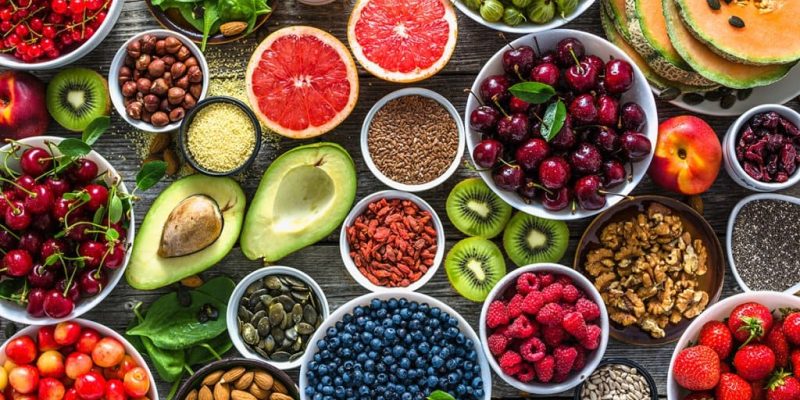
Eat the Rainbow: Consume vegetables and fruits spanning deep greens, vibrant purples, bright oranges, and rich reds to capture a broad spectrum of carotenoids, flavonoids, and protective antioxidants.
-
Include Organ and Pasture-Raised Meats: Quality animal products, particularly liver, eggs, and wild-caught seafood, offer dense concentrations of bioavailable preformed vitamin A, zinc, iron, selenium, and vitamin B12.
-
Incorporate Seeds, Nuts, and Whole Legumes: These foods are powerhouses of magnesium, manganese, potassium, copper, and plant-based protein, nourishing both human cells and the diverse microflora of the gut microbiome.
Frequently Asked Questions
How does cooking temperature influence the retention of water-soluble vitamins in vegetables?
Water-soluble vitamins, particularly vitamin C and folate, are highly sensitive to thermal degradation and water extraction. Boiling vegetables in large quantities of water can cause up to fifty percent of these delicate vitamins to leach into the discarded cooking liquid. To maximize nutrient retention, gentle cooking techniques with minimal water contact, such as light steaming, rapid stir-frying, or gentle microwaving, are superior alternatives.
What is the difference between primary and secondary micronutrient deficiencies?
A primary deficiency occurs when an individual fails to consume adequate quantities of a specific vitamin or mineral directly through their daily diet. A secondary deficiency develops when dietary intake is sufficient, but an underlying physiological condition impairs digestion, absorption, transport, or metabolic utilization, such as celiac disease, inflammatory bowel disease, chronic kidney dysfunction, or specific medication interactions.
How do dietary phytates and oxalates affect mineral bioavailability in plant foods?
Phytates found in whole grains and legumes, along with oxalates present in foods like spinach and rhubarb, act as antinutrients by binding strongly to positively charged minerals like iron, zinc, and calcium in the digestive tract. This binding forms insoluble complexes that the intestines cannot readily absorb. Traditional food preparation techniques, including soaking, sprouting, fermenting, and cooking, significantly break down these compounds and unlock mineral bioavailability.
Why is preformed vitamin A processed differently by the human body than beta-carotene?
Preformed vitamin A (retinol) is found exclusively in animal sources like dairy, egg yolks, and liver, and it is directly utilized by the human body with high biological efficiency. Beta-carotene is a plant-derived provitamin found in orange and dark green produce that the body must enzymatically cleave and convert into active retinal. The conversion efficiency of beta-carotene to active retinol varies widely among individuals due to genetic polymorphisms in the BCO1 enzyme.
What role does stomach acid production play in the absorption of vitamin B12?
Stomach acid (hydrochloric acid) and the enzyme pepsin are required to cleave vitamin B12 from its natural protein carrier in whole foods. Once liberated, B12 binds to intrinsic factor, a specialized transport glycoprotein secreted by gastric parietal cells, which allows the vitamin to be absorbed in the terminal ileum. Individuals with hypochlorhydria, prolonged use of proton pump inhibitors, or gastric bypass surgery face high risks of B12 malabsorption.
How does systemic chronic inflammation interfere with iron utilization in the body?
During chronic inflammation or infection, the liver increases the production and secretion of hepcidin, the master iron-regulatory hormone. Elevated hepcidin binds to and degrades ferroportin, the only known cellular iron exporter, trapping iron inside macrophages and intestinal enterocytes. This mechanism prevents pathogens from accessing iron for replication, but it also causes functional iron deficiency and anemia of chronic disease despite adequate total body iron stores.
Can long-term high-dose zinc supplementation cause a secondary copper deficiency?
Yes. High-dose zinc supplementation stimulates the production of a metal-binding protein called metallothionein within intestinal mucosal cells. Metallothionein has a substantially higher binding affinity for copper than for zinc. As a result, dietary copper becomes irreversibly bound within the enterocytes and is sloughed off and excreted in the feces, eventually precipitating a severe secondary copper deficiency that can cause neurological deficits and microcytic anemia.
What is your reaction?
Excited
0
Happy
0
In Love
0
Not Sure
0
Silly
0