 By Alden Tony
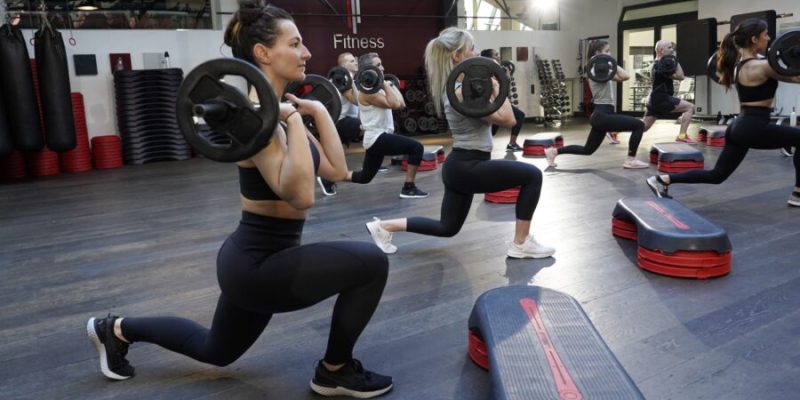
Using one barbell load throughout a strength-endurance class may feel convenient, but it rarely matches the demands of every muscle group. During a bodypump class, each track has its own repetition volume, tempo, exercise sequence and accumulated fatigue.
Appropriate loading therefore requires more than choosing a weight that feels moderately difficult during the warm-up. Participants need to consider which muscles are working, where the track appears in the class and whether technique remains controlled near the final repetitions.
The Warm-Up Load Is Only a Starting Reference
The warm-up allows participants to check equipment, movement and general readiness. Its load should be manageable across several different exercises.
That same weight may be too light for squats and too heavy for shoulders. Treating it as the default for every track can reduce lower-body stimulus while making smaller-muscle tracks unnecessarily difficult.
Participants should prepare several plate combinations before the class begins where equipment and instructor guidance allow.
Large Muscle Groups Usually Tolerate More Load
The legs, hips, chest and back can generally handle more resistance than the shoulders and arms. This does not mean every lower-body track requires the heaviest possible bar.
Repetition count and tempo still matter. A squat track containing long bottom-half repetitions and pauses can become difficult with a load that initially feels comfortable.
The correct load must remain manageable across the complete track, not only during the first sequence.
Repetition Tempo Changes the Effective Weight
A fast single repetition and a slow lowering phase do not feel the same, even when the bar is unchanged. Long pauses and partial repetitions extend time under tension.
Participants familiar with the exercise may still underestimate a new tempo. The muscles receive less opportunity to relax between repetitions.
A slightly lighter load may be appropriate during the first exposure to a track with unfamiliar timing.
Exercise Combinations Create Cumulative Fatigue
A back track may combine deadlifts, rows and clean-and-press movements. Each exercise places different demands on the grip, trunk and upper body.
A load that feels appropriate for rows may become difficult after repeated transitions or overhead work. Participants should select resistance for the combination rather than the strongest single exercise.
The limiting movement often determines the practical load for the full track.
Track Position Matters
A shoulder track performed late in the class begins after the participant has already completed chest, back and possibly triceps work. The upper body is not fresh.
Loads used in an independent shoulder workout may therefore be unsuitable. Accumulated fatigue changes pressing control and range.
Later tracks should be loaded according to current capacity, not according to numbers achieved under fresh conditions.
The Final Repetitions Provide the Best Feedback
An appropriate load should make the later portion challenging while still allowing the participant to follow the intended tempo and range.
The weight may be excessive when:
- Range shortens substantially.
- The bar no longer follows the class timing.
- Momentum replaces controlled movement.
- The participant repeatedly stops before the track’s planned recovery.
- Joint discomfort appears or increases.
Some muscular fatigue is expected. Significant loss of movement quality is a reason to adjust.
Different Exercises Need Different Technical Margins
Stable movements can sometimes be trained closer to muscular fatigue. More complex transitions require greater control.
A squat performed with a stable stance has different coordination demands from a clean and press. The latter may need a more conservative load because fatigue affects several parts of the movement.
Participants should not judge every track by the same level of visible struggle.
Load Changes Should Be Small
Increasing resistance dramatically because the previous class felt manageable can create a large jump in total work. BodyPump tracks contain many repetitions, so even a modest plate increase affects every repetition.
A small increase can be tested while the remaining variables stay similar. If tempo and range remain stable, the new load may be retained.
Progress does not require adding weight to every track during the same week.
Record Loads by Track
Writing down only the heaviest bar used provides little useful information. Participants should note the load used for squats, chest, back, shoulders and other major tracks separately.
A simple record helps prevent guessing and shows where progression has occurred. It also reveals when a new release requires temporary adjustment.
At True Fitness Singapore, members can use consistent equipment and instructor guidance to compare personal loads across repeated sessions.
Readiness Changes From Day to Day
Sleep, meal timing, work stress and previous training influence how the bar feels. A load that worked on Saturday morning may be excessive after a long Wednesday workday.
Participants can begin conservatively and increase where class structure permits. Reducing a load on a low-readiness day does not erase previous progress.
The objective is to achieve an appropriate training dose under the current conditions.
Every Track Deserves Its Own Decision
BodyPump loading is not one choice made before the class begins. It is a series of decisions based on muscle group, tempo, exercise order and fatigue.
The best loads challenge the target muscles while allowing the participant to maintain the track’s rhythm and intended movement. When each section is evaluated separately, the full class becomes more productive and easier to progress.