 By Alden Tony
Fitness is more than just exercising regularly; it is a multifaceted approach to improving strength, endurance, flexibility, and overall well-being. A structured fitness regimen not only enhances physical health but also supports mental clarity, stress resilience, and long-term disease prevention. Understanding the science behind fitness allows individuals to design routines that are effective, sustainable, and tailored to their goals.
The Core Components of Fitness
Fitness is built on several foundational components, each contributing uniquely to health and performance.
Cardiovascular Endurance
Cardiovascular or aerobic fitness measures the efficiency of the heart, lungs, and circulatory system in delivering oxygen to muscles during sustained activity:
- Activities: Running, cycling, swimming, rowing, and high-intensity interval training.
- Benefits: Improves heart health, reduces blood pressure, lowers risk of metabolic syndrome, and increases stamina.
- Guidelines: Engage in at least 150 minutes of moderate-intensity or 75 minutes of vigorous-intensity aerobic activity weekly.
Muscular Strength and Endurance
Strength and endurance are critical for functional movement, metabolic health, and injury prevention:
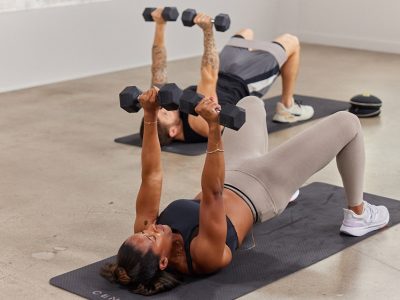
- Resistance Training: Weight lifting, bodyweight exercises, and resistance band workouts stimulate muscle growth and improve bone density.
- Frequency: Perform strength training exercises for all major muscle groups at least two non-consecutive days per week.
- Endurance Focus: Higher repetitions with moderate resistance improve muscle stamina and fatigue resistance.
Flexibility and Mobility
Flexibility and mobility are essential for joint health, range of motion, and injury prevention:
- Stretching: Static stretches after workouts help improve muscle length and reduce soreness.
- Dynamic Mobility: Incorporating yoga, Pilates, or functional movement routines enhances joint mobility and overall flexibility.
- Functional Benefits: Improved mobility supports daily activities, reduces risk of strains, and enhances exercise efficiency.
Body Composition
Body composition refers to the ratio of lean mass to fat mass and is a critical measure of fitness:
- Lean Mass: Includes muscle, bones, organs, and connective tissues, crucial for metabolism and strength.
- Fat Mass: Excess body fat, particularly visceral fat, increases risk of chronic disease.
- Monitoring: Tools such as bioelectrical impedance analysis, DEXA scans, or skinfold measurements can provide insights into body composition.
Evidence-Based Fitness Strategies
Developing an effective fitness plan requires evidence-backed methods that maximize results while minimizing injury risk.
1. Periodization and Progressive Overload
Periodization is the systematic variation of training variables to optimize performance and recovery:
- Progressive Overload: Gradually increasing the intensity, volume, or complexity of exercises stimulates continuous adaptation.
- Phases: Incorporate macrocycles, mesocycles, and microcycles to balance intensity, recovery, and peak performance periods.
- Application: Adjust weights, repetitions, or workout frequency every 4–6 weeks to prevent plateaus.
2. High-Intensity Interval Training (HIIT)
HIIT alternates short bursts of intense exercise with recovery periods, offering efficiency and metabolic benefits:
- Time-Efficient: 20–30 minutes of HIIT can match the cardiovascular benefits of longer steady-state cardio sessions.
- Metabolic Boost: HIIT improves insulin sensitivity, increases post-exercise calorie burn, and supports fat loss.
- Variations: Combine sprints, cycling, rowing, or bodyweight circuits based on fitness level and goals.
3. Resistance Training Optimization
Strength training is essential for metabolic health, muscle growth, and longevity:
- Compound Movements: Squats, deadlifts, bench presses, and pull-ups recruit multiple muscle groups for efficiency and strength gains.
- Isolation Exercises: Target specific muscles to correct imbalances and improve aesthetics.
- Frequency and Recovery: Train each muscle group 2–3 times per week with adequate rest between sessions for optimal adaptation.
4. Core Strength and Stability
A strong core improves posture, athletic performance, and injury prevention:
- Exercises: Planks, anti-rotation presses, cable lifts, and stability ball routines strengthen deep core muscles.
- Functional Benefits: Core stability enhances balance, lifts, and daily movement efficiency.
- Integration: Include core exercises in every strength or functional training session.
5. Recovery and Regeneration
Recovery is often overlooked but is essential for long-term fitness and performance:
- Sleep: Aim for 7–9 hours per night to optimize hormonal balance, cognitive function, and muscle repair.
- Active Recovery: Light activities like walking, swimming, or yoga promote circulation without overloading muscles.
- Nutrition: Protein-rich meals, antioxidants, and adequate hydration accelerate tissue repair and energy replenishment.
6. Nutrition for Fitness
Diet and exercise are inseparable in achieving fitness goals:
- Macronutrient Balance: Adequate protein, complex carbohydrates, and healthy fats support energy, muscle synthesis, and hormonal regulation.
- Pre-Workout Nutrition: Consume carbs and moderate protein 60–90 minutes before exercise for sustained energy.
- Post-Workout Recovery: Protein and carbohydrate intake post-exercise replenish glycogen stores and repair muscle fibers.
- Hydration: Electrolytes are crucial during high-intensity or long-duration activities to maintain performance and prevent cramping.
Behavioral Strategies for Consistent Fitness
Sustainable fitness requires adherence, motivation, and behavioral strategies:
- Goal Setting: Establish SMART goals (Specific, Measurable, Achievable, Relevant, Time-bound) to track progress.
- Tracking and Feedback: Use wearable devices, workout logs, or mobile apps to monitor performance, recovery, and progress.
- Variety and Enjoyment: Incorporate diverse workouts to prevent boredom and enhance overall fitness engagement.
- Community Support: Joining group classes, online communities, or workout partners improves accountability and adherence.
Special Considerations in Fitness
Individualized approaches are necessary for maximizing results:
- Age: Older adults may require modified intensity, balance training, and joint-friendly exercises to maintain mobility and strength.
- Medical Conditions: Cardiovascular disease, diabetes, or joint disorders necessitate tailored training plans with professional supervision.
- Athletic Goals: Sports-specific conditioning requires a combination of skill training, strength, endurance, and mobility programs.
Technology and Fitness Trends
Modern fitness integrates technology to optimize outcomes:
- Wearables: Smartwatches and fitness trackers monitor heart rate, steps, sleep, and recovery metrics.
- Virtual Training: Online platforms offer live and on-demand workouts, increasing accessibility and motivation.
- Data-Driven Approaches: Tracking performance metrics helps adjust training loads, intensity, and recovery periods effectively.
Conclusion
Achieving and maintaining peak fitness requires a combination of scientifically validated exercise methods, proper nutrition, recovery strategies, and behavioral consistency. By incorporating cardiovascular endurance, strength training, flexibility, and core stability with evidence-based approaches like HIIT, periodization, and progressive overload, individuals can optimize performance, improve health, and sustain long-term results. Commitment to recovery, nutrition, and mindful goal setting ensures that fitness is not only achievable but enjoyable, adaptable, and sustainable.
Frequently Asked Questions About Fitness
How often should I exercise for optimal results?
Adults should aim for a combination of at least 150 minutes of moderate-intensity aerobic activity and two strength training sessions per week, with flexibility and mobility exercises incorporated regularly.
Can I gain muscle without lifting heavy weights?
Yes. Using bodyweight exercises, resistance bands, or high-repetition moderate weights can build muscle, especially when combined with progressive overload and proper nutrition.
Is cardio or strength training more important?
Both are essential. Cardio supports heart health and endurance, while strength training preserves muscle mass, improves metabolism, and protects joint health.
How do I prevent injury during workouts?
Focus on proper form, warm-up routines, progressive intensity, and adequate recovery. Listening to your body and addressing discomfort early is critical.
Do I need supplements to improve fitness results?
Whole foods should be the foundation of nutrition. Supplements such as protein powders, creatine, or omega-3s may be beneficial in certain situations but should be guided by a healthcare professional.
How long before I see results from a fitness program?
Visible and measurable results vary by individual, training intensity, and nutrition. Typically, improvements in strength and endurance appear within 4–6 weeks, with noticeable body composition changes occurring after 8–12 weeks.
Can mental health benefit from regular fitness?
Absolutely. Regular exercise reduces stress, anxiety, and depression symptoms, enhances cognitive function, and supports overall emotional well-being.